Why Daily Routines Can Matter
For some autistic children, knowing what comes next can make everyday situations feel more familiar. Activities such as waking up, getting dressed, brushing teeth, eating breakfast, going to school, taking a bath or preparing for bedtime can involve several steps, changes, sensations and expectations.
Clear sequences, familiar language and repeated visual examples can give children another way to understand and revisit these everyday moments.
How Families Can Support Daily Routines
One gentle approach is to keep instructions simple, consistent and predictable while allowing the child enough time to process each step.
Some children may prefer seeing the same routine presented in the same order. Visual examples, repeated language, demonstrations and familiar stories can make the sequence easier to revisit.
Every child learns differently. Some children follow spoken instructions easily, while others may prefer pictures, demonstrations, repetition or hands-on activities.
For children who communicate without speech, visual materials can provide another way to understand a routine without requiring a spoken response.
Families can also help by celebrating small achievements. Completing one step independently, recognizing what comes next or participating calmly in a familiar activity can all be meaningful progress.
Learning Daily Routines Through Different Activities
Children do not all engage with learning in the same way. One child may enjoy listening to an illustrated story, while another prefers coloring, tracing, connecting dots or using dot markers.
That is why the Degan Doodles daily-routine collection, created by an autistic author, approaches familiar routines through several different formats.
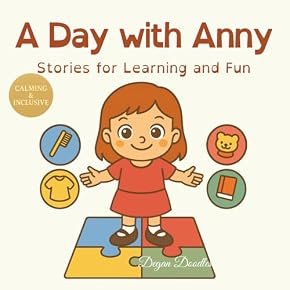
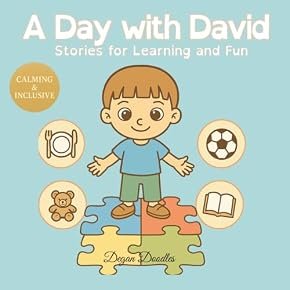
Illustrated Stories introduce everyday situations through friendly characters and simple visual storytelling.
Coloring Books allow children to revisit familiar routines while enjoying a creative activity.
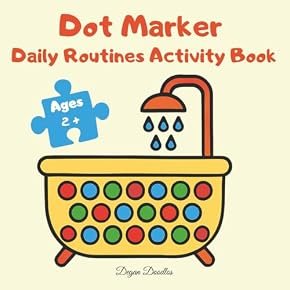
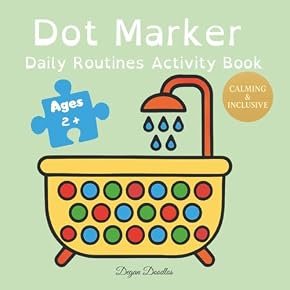
Dot Marker Books combine repetition, visual recognition and hands-on play.
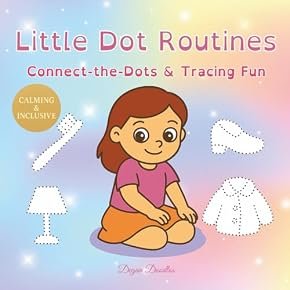
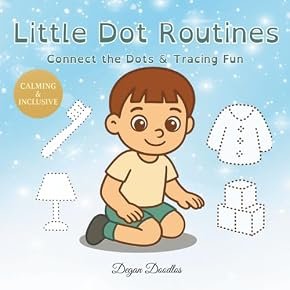
Connect-the-Dots & Tracing Books offer another way to interact with familiar objects and everyday activities while practicing attention and fine-motor movements.
The goal is not to make every child learn in exactly the same way, but to offer different ways for them to explore the same familiar routines.
How Degan Doodles Books Can Be Used at Home
Families can use these books in many simple ways. A story about a morning routine can be read before starting the day. A coloring page can be used after completing a familiar activity. A dot marker or tracing page can become part of quiet time or a shared activity between a child and caregiver.
Repeating the same characters and situations across different books can also create familiarity. Children who meet Anny or David in an illustrated story can later recognize similar routines in coloring, dot marker and tracing activities.
This connection between story, repetition, play and familiar everyday experiences is one of the ideas behind the Degan Doodles collection.
Supporting Children at Their Own Pace
There is no single routine, method or learning style that works for every autistic child.
Some children may quickly enjoy a new activity. Others may need more time to observe, repeat and become comfortable with it. The important thing is to respect the child’s pace and recognize that progress can look different for every family.
Degan Doodles books were created with this understanding in mind: to provide gentle, visual, approachable resources that families, teachers and therapists can use alongside children in everyday moments.
Small steps matter. Familiarity matters. And every child deserves the opportunity to learn in a way that respects who they are.